
Casino games can feel exciting for different reasons: fast decisions, tactical choices, social interaction, or the suspense of a changing outcome. The strongest fit depends on what you enjoy, how much time you want to spend on a round, and how comfortable you are with risk. This guide compares popular casino game types, explains how latest Betflare bonus codes relate to choosing a suitable starting point, and outlines practical ways to play responsibly. No game guarantees a win, so treat entertainment and a clear spending limit as the priorities.

A clear starting point for casino games
There is no single casino game that is most exciting for every player. Slot games offer quick rounds, varied themes, and features such as bonus rounds or expanding symbols, while roulette makes each spin easy to follow and gives players a choice of different bet types. Blackjack often attracts people who like decisions involving cards and a dealer, and poker can add a strategic, competitive dimension. Live dealer games bring a human host and a shared table atmosphere to online play. Each format creates a different kind of suspense, so personal preference matters more than a universal ranking.
It helps to distinguish excitement from the likelihood of winning. A lively interface, rapid play, or a large potential payout does not make a game more favorable, and a winning result is never assured. Before choosing, check the rules, available bet sizes, pace, and any published information about return to player or house edge. Those figures describe long-run mathematical expectations, not what will happen in a short session. Free-play versions, where available, can help you learn the mechanics without risking money. Choose a game because you enjoy its format, not because you expect it to solve a financial problem.
How to choose and begin playing casino games
A thoughtful start can make casino play easier to understand and less stressful. First decide what kind of experience you want: a simple game with little decision-making, a table game with choices, or a social live format. Then check that the game is permitted where you live and that the casino is properly licensed for your location. Read the rules before placing a wager, and set limits that fit your entertainment budget. These steps are useful whether you are exploring slots, roulette, blackjack, poker, or another casino game.
- Choose a format: Compare pace, rules, and interaction to find a casino game that suits your preferences.
- Check the rules: Learn how rounds work, what each bet means, and whether special features change the gameplay.
- Set a budget: Decide in advance how much time and money you can spend, and do not exceed either limit.
- Start at a suitable stake: Select a wager that fits your budget and gives you room to understand the game.
- Pause and review: Take breaks, track your session, and stop when your time or spending limit is reached.
- Trying a free-play mode can build familiarity before you risk money.
- Reading the paytable or table rules helps prevent avoidable misunderstandings.
- Choosing a slower pace can make it easier to follow decisions and spending.
- Keeping a preset limit separates entertainment spending from essential expenses.
Practical ways to compare casino game formats
When comparing casino games, start with the experience rather than a headline payout. Slots usually require little preparation, but their features and volatility vary: a high-volatility game may produce less frequent wins and larger swings, while a lower-volatility game may have a different rhythm. Roulette offers straightforward basic rules, although the available bets carry different probabilities and payouts. Blackjack involves decisions such as whether to hit or stand, and its rules can differ by table. Poker formats may demand more learning because decisions involve both the cards and, in some versions, other players’ actions.
Live dealer games are designed to recreate parts of a physical casino table through a streamed host and real-time rounds. They may appeal to players who value a social atmosphere, but the pace and interface can be different from automated games. Before joining, check the minimum and maximum stakes, whether the game is available in your language, and how the casino handles interruptions or connection issues. A short session with a clearly understood game is often easier to manage than switching repeatedly between unfamiliar formats. Use these comparison points to make an informed choice:
- Pace: Consider whether you prefer quick slot rounds, measured table play, or a live-hosted game.
- Decision-making: Look at how much each format asks you to learn or choose during a round.
- Stake range: Confirm that the minimum bet is compatible with your preset budget.
- Rules and math: Review game rules, paytables, and published house-edge or return information.
- Access: Check device compatibility and local availability before starting a session.
These details can narrow the choice without making unsupported claims about which game pays best. Casino outcomes are uncertain, and results over a brief session can differ substantially from long-term statistical measures. A game’s published return figure is not a promise or a forecast for an individual player. If the rules or stakes are unclear, pause and look for an explanation rather than guessing. Comparing practical features first helps keep the focus on enjoyment, informed decisions, and limits you can maintain.
Key benefits of exploring different casino games
Exploring several casino formats can help you find the style of play that feels most engaging, while also revealing which games are easier to understand and manage. Variety does not mean you need to play every option or increase your spending. Instead, you can compare a small number of games using free-play modes or low stakes, paying attention to pace, complexity, and how comfortable you feel. A sensible approach also makes it easier to notice when a game no longer feels entertaining. The following features are common reasons players choose particular casino games:
- Different levels of interaction: Slots are often simple to operate, while blackjack and poker involve more decisions.
- Flexible session lengths: Many games can be played in short sessions, although fast play still calls for firm time limits.
- Distinct atmospheres: Live dealer tables provide a hosted setting, while digital games may emphasize themes and effects.
- Learning opportunities: Rule guides and practice modes can help players understand mechanics before wagering.
Features should be judged by how they affect your experience, not by how persuasive or dramatic they appear. Bonus rounds, animations, and large advertised prizes do not remove risk or ensure a return. Read the specific terms of any promotion before accepting it, including eligibility, wagering requirements, and expiry conditions. If those terms are confusing, it is reasonable to decline. The most useful benefit is a game that fits your preferences and budget without encouraging you to chase losses or play longer than planned.
Trust, security, and responsible casino play
Before using an online casino, check for a valid gambling licence covering your region and confirm that the operator’s name and licence details are clearly stated. Look for accessible terms and conditions, transparent withdrawal rules, and information about how personal and payment data are protected. Reputable operators generally explain identity checks and may require documents to verify an account or payment method. Such checks can be part of regulatory obligations, but you should submit sensitive information only through the operator’s secure, official channels. If a casino hides key rules or makes its licensing status difficult to verify, do not assume that your account or funds are adequately protected.
Responsible play also means setting boundaries before opening a game. Use available deposit, loss, and time limits, and take breaks rather than increasing stakes after a loss. Never borrow money to gamble, and do not treat casino games as a way to earn income. If playing stops feeling like entertainment or starts affecting your finances, relationships, or wellbeing, stop and seek support from a qualified local service. Self-exclusion and account time-outs may be available through the casino or a relevant regulator. These safeguards cannot remove every risk, but they can help you make decisions with greater control and recognize when it is time to step away.
Why choose a casino game that fits your style
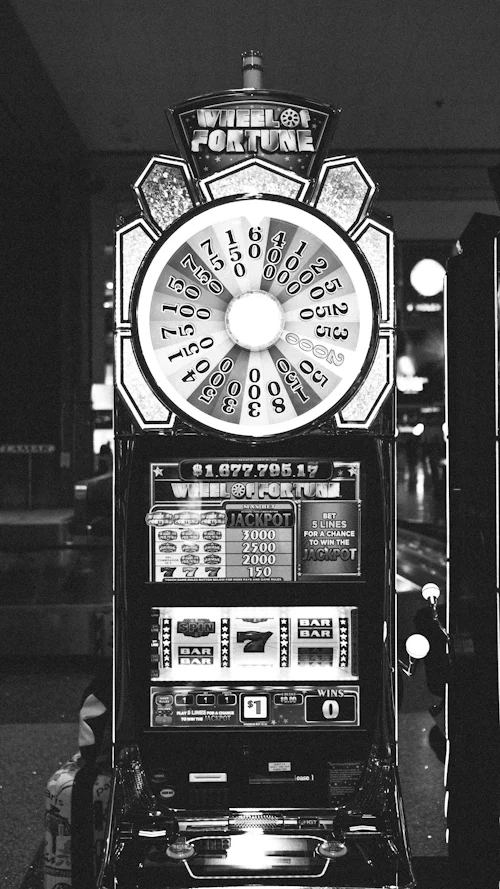
The most exciting casino game is the one whose pace, rules, and level of involvement suit you, not necessarily the one with the biggest advertised prize. Choose slots if you prefer accessible, feature-led rounds; consider roulette if you want a familiar wheel and clearly defined bets; explore blackjack if you enjoy learning decision-based rules; and try poker or a live dealer game when strategy or social atmosphere matters to you. Before wagering, check local legality, the operator’s licence, the game rules, and the minimum stake. Keep entertainment spending separate from essential costs, and remember that every outcome remains uncertain.
A practical decision checklist is simple: understand the game, choose a stake within your budget, set a time limit, and stop when either limit is reached. Compare formats using free-play options where available, and avoid claims that promise certain wins or guaranteed income. If a game creates pressure to chase losses or continue beyond your plan, take a break or leave the session. With clear expectations and responsible boundaries, casino games can be approached as entertainment while preserving the ability to make informed choices.